


YouTuber Creates a Working Solar Cell Using a Microwave Kiln
Building a functional solar cell usually requires specialized equipment, carefully controlled temperatures, and precise semiconductor manufacturing techniques. However, a semiconductor enthusiast known as Dr. Semiconductor has demonstrated an unconventional way to create a working solar cell in a home workshop.
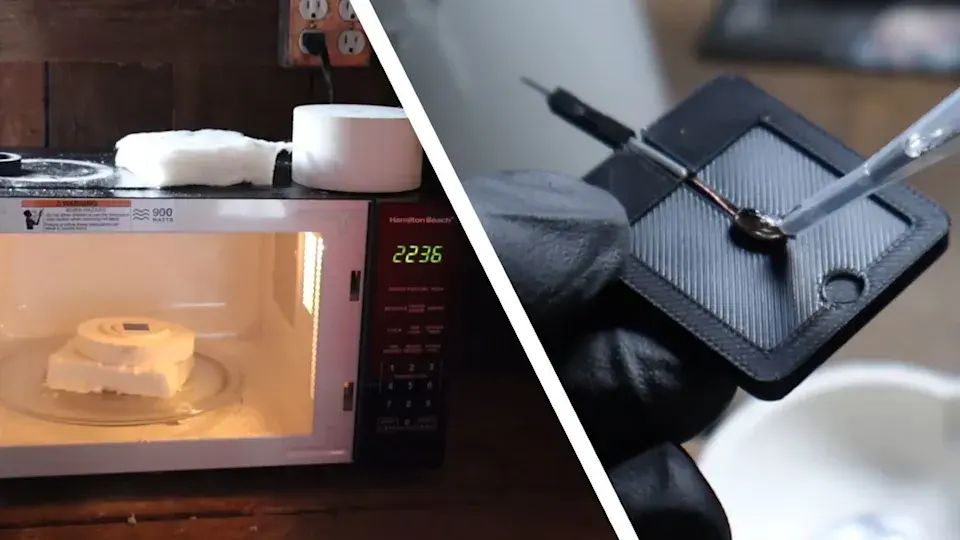
The YouTuber used a silicon wafer, a microwave kiln, and semiconductor-processing knowledge to produce a photovoltaic cell capable of generating electricity when exposed to light.
The homemade device reportedly achieved an efficiency of around 5%. While that performance is considerably lower than that of modern commercial solar panels, the experiment demonstrates how some fundamental solar cell manufacturing processes can be explored outside an industrial facility.
How the Homemade Solar Cell Works
A solar cell converts sunlight into electrical energy through the photovoltaic effect. When light strikes a suitable semiconductor material, it generates electrical charge carriers that can be collected to produce an electric current.
Silicon is widely used in commercial solar cells because of its electrical properties and availability. However, turning a piece of silicon into a functional photovoltaic device requires more than simply exposing it to sunlight.
The semiconductor must contain a junction between differently doped regions. This junction helps separate electrical charges generated by incoming light, allowing the device to produce usable electrical output.
Dr. Semiconductor's experiment focused on creating this junction using a comparatively unconventional heating method.
Why a Microwave Kiln Was Used
One of the most interesting parts of the project is the use of a microwave kiln instead of conventional semiconductor-processing equipment.
The experiment starts with a p-type silicon wafer. A phosphorus-containing material is applied to its surface, and heat is used to encourage phosphorus to diffuse into the silicon. This creates an n-type region near the surface.
When the differently doped regions meet, they form a p-n junction, an essential component of a conventional silicon solar cell.
A microwave kiln uses heat-absorbing material to generate high temperatures from microwave energy. In this experiment, the setup reportedly reached approximately 1,000°C, allowing the creator to investigate a process normally performed using specialized thermal equipment.
The important distinction is that the kiln heats the wafer through its surrounding heat-absorbing material rather than functioning like an ordinary kitchen microwave.
How the Creator Turned Silicon Into a Functional Device
After the silicon wafer underwent the heating process, electrical contacts were added to collect the current produced by the device.
These contacts allow electricity generated inside the semiconductor to flow through an external circuit. When the completed cell was exposed to light, it produced a measurable electrical response.
This result showed that the experiment had progressed beyond simply heating or modifying a piece of silicon. The wafer was functioning as a photovoltaic cell.
However, manufacturing a working solar cell and producing a commercially competitive panel are two very different challenges. Industrial manufacturers must carefully control semiconductor purity, junction formation, electrical contacts, surface treatments, and other factors that influence performance.
Homemade Solar Cell Achieves Around 5% Efficiency
The DIY solar cell reportedly reached approximately 5% efficiency, meaning it converted a relatively small portion of the incoming solar energy into electricity.
For comparison, modern commercial silicon solar panels commonly achieve efficiencies above 20%, although exact performance varies by product and technology.
The gap highlights the limitations of the homemade approach. Contamination, electrical contact quality, and the absence of an anti-reflection coating can all affect the amount of electricity a solar cell generates.
An anti-reflection coating helps sunlight enter the semiconductor instead of reflecting away from its surface. Improving the electrical contacts and controlling the fabrication process can also help reduce energy losses.
The experiment nevertheless provides a useful demonstration of photovoltaic principles and the processes involved in making a solar cell.
Could People Make Solar Panels at Home?
The project demonstrates that certain semiconductor experiments are possible in a home workshop, but it does not establish a practical alternative to commercially manufactured solar panels.
Producing a small working cell requires different resources from building a reliable panel capable of supplying meaningful amounts of electricity. Consistent performance, long-term durability, electrical connections, and safe manufacturing conditions all present additional challenges.
The high temperatures involved also introduce serious risks. A microwave kiln is not a routine kitchen appliance, and semiconductor-processing materials may require specialized handling. Anyone researching similar projects should follow appropriate equipment instructions and laboratory safety practices.
For most homeowners, purchasing tested commercial solar panels remains the more practical option for generating electricity.
Why This Experiment Matters for Solar Technology
The significance of Dr. Semiconductor's project is not its efficiency but the demonstration of how semiconductor manufacturing principles can be investigated on a smaller scale.
Solar cells rely on fundamental concepts involving silicon, doping, junctions, and charge separation. Experiments like this can help technology enthusiasts understand how these concepts work in practice.
The project also illustrates the difference between proof of concept and commercial manufacturing. Making a device produce electricity is an important milestone, but improving efficiency and reliability requires much tighter control over materials and processing.
As interest in renewable energy continues to grow, accessible science demonstrations can help more people understand the engineering behind solar power.
Final Thoughts
Dr. Semiconductor's homemade solar cell shows that a microwave kiln and silicon wafer can be used in an experimental process to produce a functioning photovoltaic device.
Its reported 5% efficiency falls well short of modern commercial solar panels, so the method is not a replacement for conventional solar technology. However, it offers an interesting look at the science behind converting sunlight into electricity.
The experiment is a reminder that technologies used in large industrial facilities are built on scientific principles that can sometimes be explored through carefully designed small-scale demonstrations.
اترك تعليقاً
لن يتم نشر عنوان بريدك الإلكتروني. الحقول المطلوبة مشار إليها بـ *