

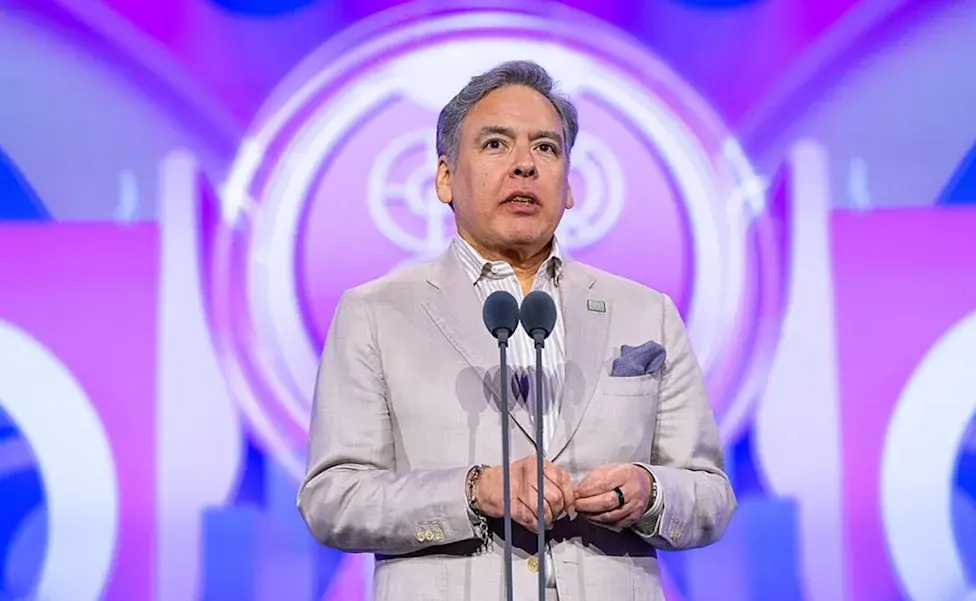
Making a faster PlayStation might not be the point anymore. That's the argument from Shawn Layden, former president and CEO of Sony Interactive Entertainment America and former chairman of SIE Worldwide Studios — and he's making it at exactly the right moment.
Speaking on The Trophy Room podcast, Layden said Sony's next real hardware challenge isn't performance. It's cost.
One important note before we go further: Layden no longer holds any role at Sony. His comments are informed outside opinion — not a preview of Sony's actual PS6 roadmap. Sony has confirmed no PS6 price, specs, or release date.
"The Silicon's Fine, the OS Is Fine"
Layden's central claim is refreshingly simple: the PS5's chip architecture and operating system are already good enough for the games players actually want.
"Make it smaller, make it cheaper, do all the things you can around that, but the silicon's fine, the OS is fine."
In other words, Sony's engineering effort would be better spent on manufacturing efficiency and product design than on building substantially more powerful hardware. (Quotes reported by IGN; worth verifying against the original podcast audio if you're citing directly.)
The Quote Everyone's Talking About
Layden distilled his position into one sharp contrast:
"I think we have enough power in the machine. The innovation needs to come not from making PS6 for $1,200. It's to make another PS5 for $300. Now, that would be true innovation."
Those figures are his illustrative examples — not announced prices. For context, the PS5 launched at $499** for the disc version and **$399 for the digital edition.
Diminishing Returns Are Real
Here's the meat of the argument. Layden contends that the perceptible gap between console generations has narrowed significantly for ordinary players.
Think about it: early PlayStation transitions were obvious to anyone. PS1 to PS2. CDs to DVDs. You could see and feel the difference without reading a spec sheet. Current PS6 speculation centers on more ray tracing and higher teraflop counts — gains that are much harder for mainstream consumers to notice.
Layden also pointed to the PS2's late lifecycle, when Sony dropped the price to $99. At that point, the console stopped being an enthusiast purchase and became a household fixture. That's the kind of move he's advocating.
The Trade-Off Sony Faces
Both strategies carry consequences:
Premium-performance PS6: Targets players willing to pay for visible technical improvements, but risks pricing out the mass market.
Affordability-first PS6: Lowers the barrier and could expand the installed base — but hitting $300 profitably is a genuine engineering and business challenge.
Neither path reflects confirmed Sony plans. The practical constraint on Layden's proposal is real, and the sources don't offer specific cost data to settle it.
The Handheld Warning
A second risk surfaced in Layden's comments: supporting two platforms at once.
He warned that launching a home console and a handheld simultaneously could stretch Sony thin, referencing the PSP and PS Vita era — a period when supporting two distinct platforms effectively required Sony to operate as two separate businesses.
Where This Leaves the Debate
Sony has said nothing publicly. The question of what the PS6 will cost or prioritize remains wide open.
What Layden's argument does is challenge conventional console-generation logic — the assumption that more power is always the right answer. Whether Sony agrees is a question only Sony can answer.
Would you rather have a $300 PS6 or a $1,200 powerhouse? Sound off in the comments.
Leave a comment
Your email address will not be published. Required fields are marked *