

The competition between Google and Apple continues with Android 17 and iOS 27, the latest major versions of their mobile operating systems. Both platforms are evolving beyond traditional smartphone features, with improvements in artificial intelligence, personalization, security, and the way users interact with their devices.
However, choosing between Android and iOS is not simply a matter of comparing feature lists. The experience also depends on the smartphone you own, the apps you use, and how closely you rely on services from Google or Apple.
Android 17 offers flexibility across a wide range of manufacturers, while iOS 27 continues to build on Apple's tightly integrated ecosystem. Here's how the two platforms compare and what users should consider before choosing their next smartphone.
Android 17 vs iOS 27: At a Glance
| Feature | Android 17 | iOS 27 |
|---|---|---|
| Device selection | Phones from multiple manufacturers | Apple iPhone models |
| Customization | Extensive options, depending on device | More controlled but increasingly flexible |
| Artificial intelligence | Google Gemini and manufacturer-specific AI tools | Apple Intelligence and Siri features on supported devices |
| App ecosystem | Google Play and other supported installation methods | Primarily Apple's App Store |
| Cross-device integration | Android, Google services, Windows, and compatible devices | Strong integration with iPhone, iPad, Mac, and other Apple products |
| Switching platforms | Improved transfer options on supported devices | Tools for transferring data to compatible devices |
| Interface | Varies by manufacturer | More consistent across supported iPhones |
| Updates | Timing depends on manufacturer and model | Distributed by Apple to supported iPhones |
Feature availability depends on the specific device, region, language, and manufacturer. Not every phone running the same operating system will offer identical capabilities.
1. Customization: Android Offers More Flexibility
Customization remains one of Android's biggest advantages. Users can often change home-screen layouts, widgets, launchers, default applications, icon styles, and other interface elements.
Some Android manufacturers also provide their own additional features through software interfaces such as Samsung One UI and other customized Android experiences.
Android 17 continues this flexible approach, although the exact options depend on the phone and its software version.
Apple has also expanded customization in recent iOS releases. With iOS 27, iPhone users have additional ways to personalize their experience, although Apple's interface remains more standardized than Android's.
For people who enjoy experimenting with layouts and system settings, Android is generally the stronger choice. Users who prefer a consistent interface that requires less adjustment may find iOS more appealing.
2. Artificial Intelligence: Gemini vs Apple Intelligence
AI is becoming a major part of the smartphone experience, and both platforms are developing tools that can help users complete tasks, understand information, and interact with their devices.
Android 17 and Google Gemini
Google's AI strategy centers on Gemini and its integration with compatible Android devices. Depending on the phone, users may have access to AI-assisted writing, image editing, conversational assistance, and tools that understand more of the context surrounding a task.
Some manufacturers also include their own AI features, creating additional differences between Android phones.
The advantage is choice: users can experience Google's AI tools alongside features developed by individual phone manufacturers.
iOS 27 and Apple Intelligence
Apple's approach focuses on integrating Apple Intelligence into supported devices and system experiences. AI features can assist with selected writing tasks, image editing, information processing, and interactions with Apple's software.
Apple's AI capabilities are not available on every iPhone, and supported features can vary by device, language, and region.
Which is better? Android provides a broad AI ecosystem through Google and phone manufacturers, while Apple's approach emphasizes integration with supported iPhones and Apple services. The better experience depends on the tools you actually use.
3. Design and Everyday Usability
Android and iOS have developed many similar interface conventions over the years. Both provide widgets, notifications, quick settings, multitasking features, and extensive app ecosystems.
The differences are now more about implementation than entirely different approaches to smartphone design.
Android can provide a more varied experience because manufacturers customize the operating system. Samsung's interface, for example, may look and behave differently from Google's Pixel software.
iOS offers a more consistent experience across compatible iPhones. Apple controls both the hardware and software, allowing the company to coordinate interface changes with its devices.
For users who like having many ways to configure their phone, Android remains attractive. For those who value consistency and a familiar experience across iPhone models, iOS is a strong option.
4. Messaging and Communication
Messaging has traditionally been an important difference between Android and iPhone users, particularly when conversations involve people using different platforms.
Modern messaging standards have helped narrow that gap.
With iOS 27, Apple has continued improving cross-platform messaging, including support for richer interactions in compatible RCS conversations. Android also supports RCS through compatible messaging applications and carriers.
These improvements can make group conversations more convenient and reduce some of the differences experienced when messaging between platforms.
However, the availability of specific messaging features depends on carrier support, device compatibility, and the messaging application being used. Some features may still behave differently across Android and iOS.
5. Switching From iPhone to Android Is Getting Easier
Moving from one smartphone platform to another can be frustrating when users have to transfer contacts, photos, messages, passwords, and other personal information.
Android 17 introduces an improved Android Switch experience designed to make moving from iPhone to Android easier on supported devices. The updated process aims to reduce the need for complicated manual steps and can transfer additional categories of information where supported.
This is an important development for users who want to change platforms without rebuilding their phone setup from scratch.
However, not every item transfers perfectly. Certain app data, subscriptions, account settings, and platform-specific features may still require separate attention.
Before switching, users should review the supported transfer options for their old and new devices and make sure important information is backed up.
6. Privacy and Security
Both Google and Apple provide security features intended to protect users from malicious applications, unauthorized access, and privacy risks.
Android offers permissions management, app security protections, and additional controls that vary by device. Users should pay attention to app permissions and install applications only from trusted sources.
Apple provides its own privacy controls, application permissions, security protections, and restrictions governing its software ecosystem.
Neither platform eliminates every security risk. The way a person installs applications, manages accounts, responds to suspicious messages, and updates their phone remains important.
For most users, the best approach is to install updates promptly, use strong account authentication, review app permissions, and avoid downloading unknown files or applications.
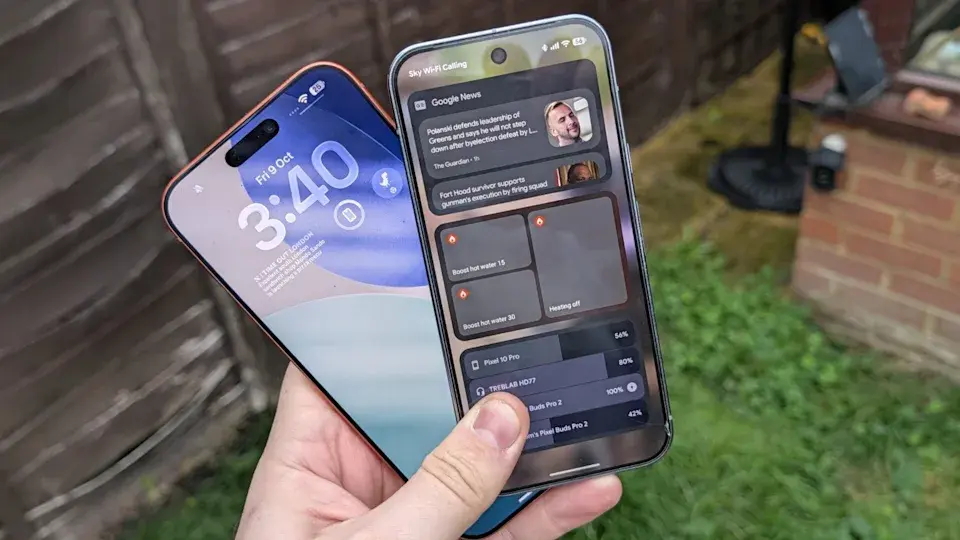
7. Device Choice and Software Updates
One of the biggest practical differences between Android and iOS is hardware selection.
Android runs on smartphones from many manufacturers, offering a broad range of prices, designs, camera systems, screen sizes, and hardware capabilities.
This makes Android attractive to buyers who want to choose a device according to their budget and priorities.
iOS is available on Apple's iPhone lineup. That smaller selection makes comparisons more straightforward, although buyers still need to consider differences in performance, cameras, battery life, and supported features.
Software updates also work differently. Apple distributes iOS updates to compatible iPhones, while Android update schedules depend on Google, the phone manufacturer, the model, and sometimes the carrier.
Before buying a new smartphone, check its official software-support policy rather than assuming all Android phones receive updates for the same length of time.
8. Apps and Ecosystem Integration
Both platforms offer extensive app libraries, including popular social media services, productivity tools, games, banking applications, and creative software.
Android gives users access to Google Play and, on supported devices, other app installation methods. iOS primarily relies on Apple's App Store, with additional distribution options depending on regional rules and Apple's policies.
The larger consideration may be the devices and services you already use.
Android can be a natural fit for people who rely on Google services, use Windows PCs, or prefer hardware from multiple manufacturers.
iOS can be especially convenient for people who already own a Mac, iPad, Apple Watch, or other Apple products. Features designed to work across these devices can reduce friction in everyday tasks.
Neither ecosystem is universally better. The right choice depends on how well the platform works with your existing devices, accounts, and preferred applications.
Android 17 vs iOS 27: Which One Should You Choose?
Choose Android 17 if you:
- Want more freedom to personalize your phone.
- Prefer a wide selection of smartphone brands and price ranges.
- Use Google services and want access to Gemini on supported devices.
- Want to choose between different hardware designs and manufacturer features.
- Prefer additional app installation options where available.
Choose iOS 27 if you:
- Already use several Apple devices.
- Prefer a consistent interface across compatible iPhones.
- Want Apple's integrated approach to apps, services, and supported AI features.
- Value a straightforward upgrade experience across supported devices.
- Frequently use Apple services and platform-specific features.
These are general guidelines rather than strict rules. Android and iOS can both serve everyday users, professionals, students, and mobile gamers effectively.
Final Verdict
Android 17 and iOS 27 demonstrate how the two leading mobile platforms are increasingly focused on AI, personalization, security, and easier communication between devices.
Android remains compelling for its hardware variety and customization options. iOS continues to stand out for its consistent experience and integration across Apple's ecosystem. Both platforms are improving cross-platform messaging and making it easier for people to move between devices.
There is no single winner for everyone. If flexibility and hardware choice matter most, Android 17 is worth considering. If you value Apple's ecosystem and a consistent iPhone experience, iOS 27 may be the better fit.
Ultimately, the best smartphone operating system is the one that supports your daily needs, works with your favorite apps, and provides the features you will actually use.
Tinggalkan komentar
Alamat email Anda tidak akan dipublikasikan. Kolom yang wajib diisi ditandai *