

iPhone 18 Pro Max Camera Review: Excellent Upgrades, But Mostly Incremental
The iPhone 18 Pro Max comes with Apple's most advanced smartphone camera system yet, introducing several new photography features aimed at users who want more control without giving up the simplicity of point-and-shoot photography.
The biggest camera change is the new variable aperture on the 48MP Fusion Main camera. Apple also adds new Pro camera controls and Photographic Styles 3, giving photographers more ways to customize their images.
However, real-world testing suggests that the improvements over the iPhone 17 Pro Max are relatively subtle. The iPhone 18 Pro Max remains an outstanding everyday camera, but its new features may not be enough on their own to convince existing iPhone 17 Pro Max owners to upgrade.
A More Flexible Main Camera
The standout addition is Apple's variable aperture system.
The 48MP Fusion Main camera can switch between f/1.48, f/1.8, f/2.8 and f/4.0. This allows the phone to change how much light reaches the sensor and how much of a scene remains in focus.
The camera normally operates at f/1.8, which provides a balance between light gathering and depth of field. In darker environments, it can open to f/1.48 to capture more light, while narrower apertures can provide greater depth of field.
The f/2.8 setting can be useful when photographing subjects at different distances, while f/4.0 can help keep more people in focus in group photographs.
Better Low-Light Photography
Apple says the f/1.48 aperture can provide around 50% better low-light performance compared with the standard setting. It allows the camera to gather more light, potentially enabling faster shutter speeds and cleaner images in darker environments.
This is one of the more meaningful hardware improvements on the iPhone 18 Pro Max, although the benefits are most noticeable in challenging lighting conditions rather than during normal daytime photography.
Photographic Styles 3 Adds More Creativity
Apple has also updated Photographic Styles, allowing users to customize the look of their photos without permanently changing the original image.
The latest system introduces additional control over characteristics such as texture and grain, giving users more flexibility to create a particular photographic style.
This approach fits the iPhone's point-and-shoot philosophy. Instead of manually adjusting numerous camera settings before every photograph, users can choose a preferred style and concentrate on capturing the moment.
Pro Controls Finally Arrive
The iPhone 18 Pro Max also provides more manual controls directly within Apple's Camera app.
Users can adjust settings such as shutter speed, while the variable aperture gives photographers another way to control exposure and depth of field.
These features will appeal more to photography enthusiasts than casual users. For everyday photography, Apple's automatic processing continues to do most of the work.
Interestingly, the new professional camera controls are not integrated into the existing Camera Control button in the way some users might expect. This makes the physical control less useful for advanced photography adjustments.
Camera Hardware Remains Familiar
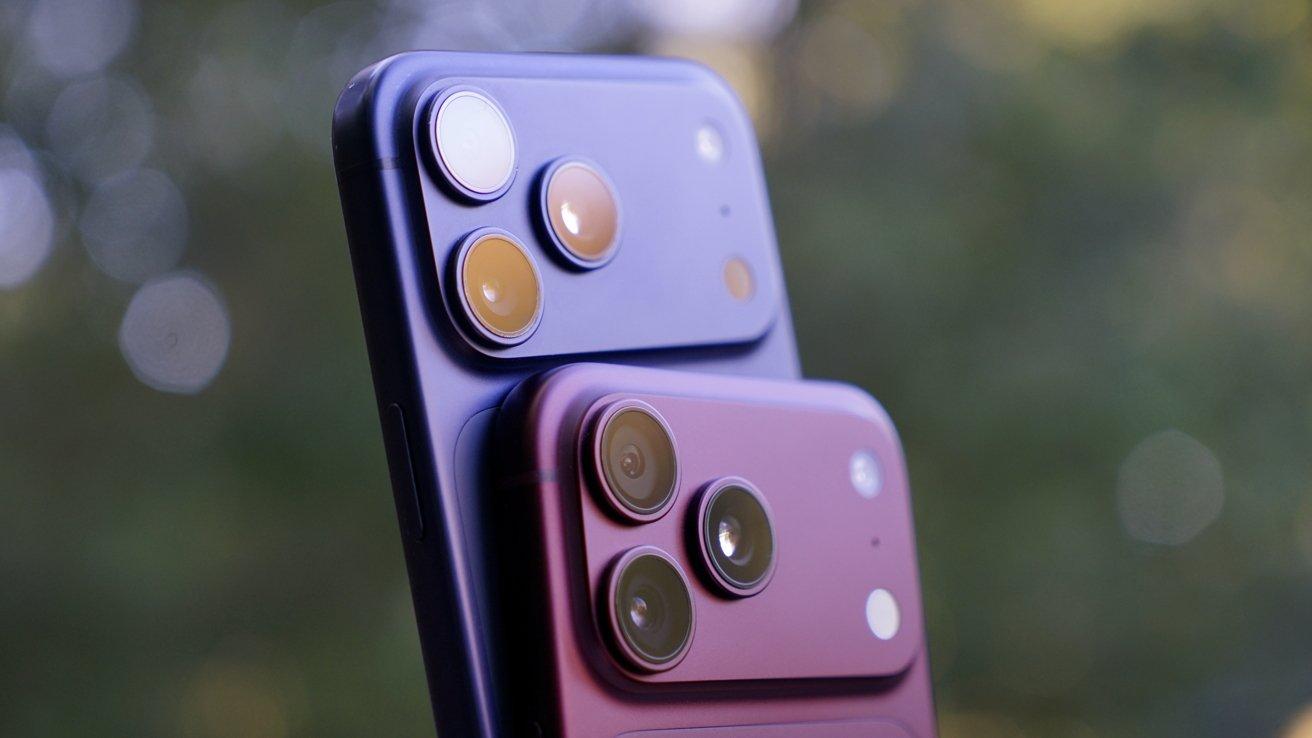
Despite the new main camera, the overall rear camera system isn't a complete redesign.
The iPhone 18 Pro Max continues with a 48MP Fusion Ultra Wide camera and a 48MP Fusion Telephoto camera. The telephoto camera supports 4x optical zoom and up to 8x optical-quality zoom, while Apple advertises a total 16x optical zoom range across its focal lengths.
This means owners of the iPhone 17 Pro Max shouldn't expect every aspect of the camera experience to feel dramatically different.
The main Fusion camera is where the largest change takes place.
Everyday Photography Is Still the iPhone's Strength
One of the biggest advantages of the iPhone 18 Pro Max camera isn't necessarily a single specification. It is how quickly the phone can capture a good photograph.
In everyday situations, users can simply point the phone at a subject and press the shutter. Apple's image processing handles exposure, color, white balance, HDR and other aspects automatically.
That convenience remains one of the biggest reasons smartphone cameras have become so popular.
Compared with a dedicated mirrorless or DSLR camera, the iPhone still lacks the larger sensor and physical controls that professional photographers may prefer. But the phone is always available, making it considerably more convenient for everyday photography.
Is the Upgrade From iPhone 17 Pro Max Worth It?
For existing iPhone 17 Pro Max owners, the camera improvements may not be compelling enough by themselves.
The variable aperture is useful, particularly for low-light photography and situations where depth of field matters. The updated Photographic Styles and Pro controls also give enthusiasts more creative options.
However, the basic point-and-shoot experience remains very similar.
Testing suggests that the iPhone 18 Pro Max produces excellent images, but the improvements are more evolutionary than revolutionary.
For someone upgrading from an older iPhone, the improvements will be easier to appreciate. For iPhone 17 Pro Max users, however, keeping the existing phone may make more sense unless the new camera controls are particularly important.
iPhone 18 Pro Max vs Dedicated Cameras
Even with all of its improvements, the iPhone 18 Pro Max cannot completely replace a dedicated full-frame camera.
A larger camera sensor and physical controls still provide advantages for serious photography. Dedicated cameras also offer greater flexibility with lenses, manual controls and image capture.
But the iPhone has a different advantage: portability.
You can carry it everywhere, quickly capture a photograph and rely on Apple's computational photography to produce a polished result.
That makes the iPhone 18 Pro Max one of the most capable point-and-shoot cameras available in a smartphone.
Final Verdict
The iPhone 18 Pro Max has Apple's best smartphone camera system yet, but its improvements are largely evolutionary rather than revolutionary.
The new variable aperture is the biggest hardware upgrade, while Photographic Styles 3 and Pro controls give photography enthusiasts greater creative freedom. Apple's 48MP camera system also continues to deliver excellent everyday results.
However, owners of the iPhone 17 Pro Max may not see enough of a difference to justify upgrading solely for photography.
For new buyers, photographers who want more manual control, and users upgrading from older iPhones, the iPhone 18 Pro Max remains an extremely capable camera phone.
In short, the iPhone 18 Pro Max makes an already excellent camera system better—but don't expect a dramatic transformation in every photo.
Leave a comment
Your email address will not be published. Required fields are marked *