


Data Centers Could Sway the 2026 Midterm Elections as Public Opposition Grows
Data centers have rapidly become one of the most controversial technology issues in the United States, and their growing presence could influence the outcome of the 2026 midterm elections. Once viewed primarily as drivers of investment and job creation, large data center projects are now facing resistance from communities concerned about rising electricity costs, water consumption, environmental impacts and the future of rural neighborhoods.
The debate has gained momentum as artificial intelligence companies expand their infrastructure to meet growing demand for AI services. With voters increasingly questioning the local costs of these developments, candidates across the political spectrum are being pushed to explain their positions on data center construction.
According to recent reporting by Yahoo Tech, the issue is becoming particularly important in competitive races, including Ohio's Senate contest. Similar debates are unfolding in other states where communities are confronting proposals for large AI infrastructure projects. Source: Yahoo Tech
Why Data Centers Are Becoming a Political Issue
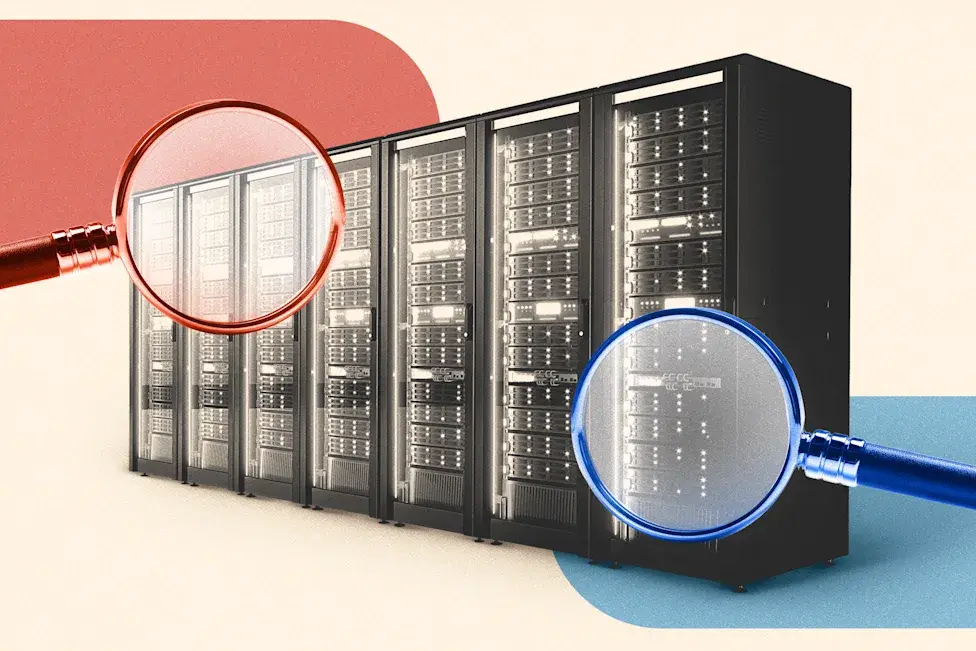
Data centers are specialized facilities that house computer servers, networking equipment and storage systems. They support cloud computing, online services and the growing number of artificial intelligence applications used by businesses and consumers.
However, the rapid expansion of AI has increased demand for facilities capable of processing enormous amounts of information. These projects can require substantial electricity, water, land and supporting infrastructure.
For residents living near proposed developments, the benefits of technological progress must be weighed against possible effects on household expenses and local resources.
Concerns about higher utility bills have become especially important as families continue to deal with affordability pressures. Critics argue that communities should not have to pay for electrical grid upgrades or other infrastructure improvements primarily needed by large technology companies.
These concerns have helped transform data center construction from a specialized planning issue into a broader political debate.
Electricity Bills and Water Usage Drive Public Concerns
One of the biggest concerns surrounding AI data centers is their demand for electricity.
Large facilities can require substantial power around the clock to operate servers, cooling systems and networking equipment. As more projects are proposed, residents and policymakers are questioning whether local electricity supplies and existing grid infrastructure can accommodate the additional demand without increasing costs for other customers.
Water consumption is another major concern. Some data centers use water-based cooling systems to control the temperatures generated by high-performance computing equipment. The amount required depends on the facility's design, cooling technology and local climate.
In communities already facing water shortages or competing demands for natural resources, these requirements can become a significant point of disagreement.
Environmental advocates and local residents are calling for clearer information about proposed projects, including their expected electricity demand, water consumption and effects on surrounding communities.
Ohio Emerges as a Key Battleground
Ohio has become an important example of how opposition to data centers is influencing election campaigns.
The state has attracted major technology infrastructure investments, but some communities are pushing back against proposals that could change local land use and increase demand for electricity and water.
In the area around Piketon, a proposed large-scale AI data center campus has generated both interest and concern. Supporters point to the potential for construction employment, permanent jobs and additional economic activity. Critics question the project's long-term impact on the surrounding area and whether residents will receive sufficient benefits.
Local opposition has also encouraged efforts to introduce restrictions and temporary pauses on new data center developments in various Ohio communities.
The debate has become relevant to the state's Senate race, where candidates are discussing the economic benefits of technology investments alongside concerns about electricity prices, public subsidies and local accountability.
The outcome could influence how politicians in other states approach similar projects.
Data Center Opposition Crosses Party Lines
Opposition to data centers is not limited to one political party.
Some conservative voters are concerned about government incentives, electricity costs and the impact of large developments on rural communities. Progressive voters and environmental advocates have raised questions about corporate accountability, water use, environmental protection and the public cost of supporting private infrastructure.
This combination has created an unusual political challenge for candidates who previously welcomed major data center investments.
Supporters argue that these facilities can attract investment, strengthen America's position in the global AI race and create employment opportunities. Critics counter that economic development should not come at the expense of local residents.
The debate increasingly centers on a practical question: Who should pay for the infrastructure required by AI companies, and how much influence should local communities have over new projects?
AI Companies Face Pressure to Cover Their Own Costs
As public opposition grows, one proposal has gained attention: requiring data center operators to pay for the additional electricity and infrastructure their projects require.
Supporters of this approach argue that technology companies should bear the costs associated with their energy demand instead of shifting expenses to households and small businesses.
Possible policy responses include separate electricity rates for large data center customers, stricter utility regulations, greater transparency in development agreements and requirements for companies to provide or finance additional power capacity.
Some policymakers have also called for temporary pauses on new projects while governments evaluate their environmental and economic consequences.
The challenge is finding policies that protect consumers without unnecessarily discouraging investment or slowing technological development.
Other States Are Facing Similar Challenges
Ohio is not the only state where data center development has become controversial.
In Michigan, candidates have raised questions about the financial and environmental implications of large AI facilities. In Florida, data center proposals have also entered political discussions, with candidates debating the responsibilities of companies building new infrastructure.
Pennsylvania and Virginia are experiencing similar debates over permitting rules, energy demand and local decision-making.
Virginia's Northern Virginia region is particularly notable for its concentration of data centers. Although the industry contributes substantial tax revenue to local governments, the scale of development has prompted questions about electricity demand, land use and transparency.
These examples illustrate the difficult balance between attracting technology investment and addressing residents' concerns.
Data Centers Offer Economic Benefits, but Questions Remain
Despite growing opposition, data centers can bring significant economic opportunities to host communities.
Construction projects require workers, contractors and suppliers. Once facilities begin operating, they may generate property tax revenue and support additional business activity.
Technology companies also argue that data centers are essential to the digital economy, supporting AI tools, cloud services, online platforms and business applications.
However, the number of permanent jobs created by an individual facility can differ considerably from the number of temporary construction positions. The distribution of economic benefits also depends on local tax arrangements, employment requirements and the infrastructure costs associated with the project.
For communities evaluating new proposals, transparent agreements and realistic economic assessments are therefore essential.
Residents want to know whether promised jobs and tax revenue will outweigh potential costs involving electricity, water, roads and land use.
Could Data Centers Influence the 2026 Midterm Results?
Data center policy is unlikely to be the leading concern for every American voter, but it could become decisive in closely contested races where major projects directly affect local communities.
Candidates who support new facilities may need to demonstrate that residents will not be left paying for the associated infrastructure. Those opposing projects must explain how their proposals would affect investment, employment and America's competitiveness in AI.
Campaign advertisements, public meetings and local ballot measures are helping bring these questions to a wider audience.
The debate also reflects a broader shift in public attitudes toward artificial intelligence. While AI is often discussed in terms of software, productivity and innovation, its expansion depends on physical infrastructure that can have visible consequences for nearby communities.
As a result, data center policy could remain politically significant beyond the November 2026 elections.
What Comes Next for AI Infrastructure?
The future of data center development will likely depend on how effectively technology companies, utilities, policymakers and local residents address competing priorities.
Companies will continue to need computing capacity as demand for AI and cloud services grows. Communities, meanwhile, are seeking stronger protections for electricity customers, water resources, farmland and local decision-making.
Potential solutions include more transparent development agreements, improved cooling technology, additional power generation, better grid planning and rules requiring data center operators to cover the costs they create.
Whether these measures can reduce opposition while allowing responsible expansion remains an open question.
Final Thoughts
Data centers have moved from a relatively specialized technology topic to a significant issue in the 2026 US midterm elections. Concerns about electricity bills, water consumption, land use and corporate incentives are bringing voters from different political backgrounds into the debate.
Ohio's Senate race highlights how data center policies can become a campaign issue, while developments in other states show that the controversy extends well beyond a single election contest.
As artificial intelligence continues to expand, policymakers will face growing pressure to balance technological progress with affordability, environmental responsibility and community interests.
The decisions made now could shape not only the future of AI infrastructure but also the political conversation surrounding technology investment for years to come.
Bir yorum bırakın
E-posta adresiniz yayınlanmayacaktır. Gerekli alanlar * ile işaretlenmiştir