


Does Your iPhone Actually Emit Harmful Radiation? Here's What Science Says
Smartphones have become an essential part of everyday life, but concerns about their potential health effects continue to attract attention. One common question among iPhone users is whether their devices emit harmful radiation and whether keeping a phone close to the body could increase the risk of cancer or other health problems.
The short answer is that iPhones emit radiofrequency (RF) radiation, but current scientific evidence has not established that exposure from phones operating within recommended safety limits causes health problems.
Like other smartphones, iPhones use radio waves to communicate with cellular networks, Wi-Fi routers, and Bluetooth devices. Although these signals are a form of radiation, they are fundamentally different from the high-energy radiation associated with X-rays and radioactive materials.
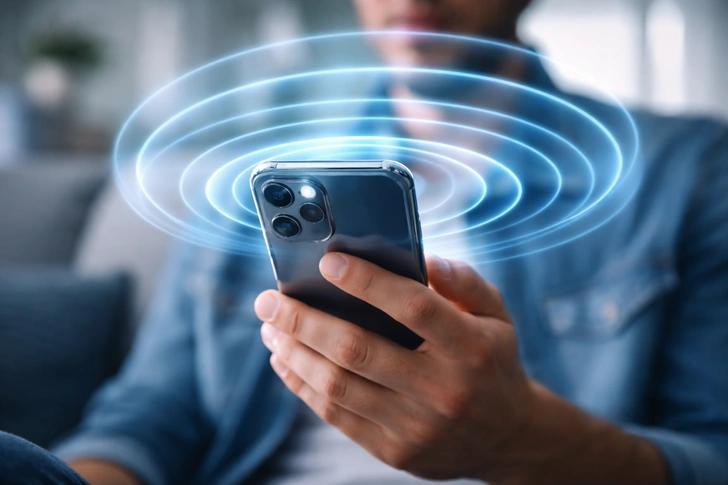
What Kind of Radiation Does an iPhone Emit?
An iPhone produces radiofrequency radiation whenever its wireless communication systems transmit signals. This includes cellular connections, Wi-Fi, and Bluetooth.
Radiofrequency radiation belongs to a category known as non-ionizing radiation. Unlike ionizing radiation, which includes X-rays and gamma rays, RF energy does not have enough energy to directly damage DNA by breaking chemical bonds.
However, non-ionizing radiation is not automatically harmless at every intensity. Extremely high levels of RF exposure can heat biological tissue. The important consideration is the intensity of exposure and whether it remains within established safety limits.
According to the US National Cancer Institute, the main consistently recognized biological effect of radiofrequency energy absorbed from mobile phones is localized heating. Under normal phone-use conditions, this heating is not sufficient to measurably increase the body's core temperature.
Can iPhone Radiation Cause Cancer?
Cancer concerns are among the biggest reasons people worry about smartphone radiation.
Some studies have investigated whether long-term exposure to radiofrequency energy could increase the risk of brain tumors or other health conditions. However, research has not established a consistent causal relationship between ordinary mobile phone use and cancer.
The US Food and Drug Administration (FDA) says the weight of scientific evidence has not linked radiofrequency radiation from cell phones with health problems.
Similarly, the Centers for Disease Control and Prevention (CDC) explains that there is currently no definitive scientific answer to every question about possible long-term effects. Researchers continue studying the subject to better understand potential risks.
For now, there is no established scientific reason for ordinary iPhone users to stop using their devices because of radiation concerns.
How Much Radiation Does an iPhone Emit?
To evaluate radiofrequency exposure, regulators and manufacturers use a measurement called Specific Absorption Rate (SAR).
SAR measures how quickly the human body absorbs radiofrequency energy from a wireless device. It is expressed in watts per kilogram (W/kg).
There are two commonly reported measurements:
- Head SAR: Measures RF energy absorbed when a phone is used close to the head.
- Body SAR: Measures RF energy absorbed when a phone is carried close to the body.
In the United States, the applicable SAR limit is 1.6 W/kg averaged over one gram of tissue. In regions following the European standard, the limit is 2 W/kg averaged over 10 grams of tissue.
Apple publishes RF exposure and SAR information for individual iPhone models on its regulatory website. These figures vary depending on the device model and testing conditions.
It is important to remember that SAR values represent results from standardized laboratory testing, not a measurement of the radiation your phone constantly emits during everyday use.
Does Using an iPhone While Charging Increase Radiation?
Another common concern is whether an iPhone produces more harmful radiation when connected to a charger.
Charging itself does not make an iPhone emit dangerous levels of radiofrequency radiation. The phone's wireless transmitters continue operating according to network conditions, regardless of whether the battery is charging.
However, charging can generate heat, particularly when using demanding applications, fast charging, or wireless charging.
This heat is different from radiofrequency radiation and should not be confused with it.
Apple recommends avoiding prolonged exposure to excessive heat and using compatible charging accessories.
When Does an iPhone Emit More RF Radiation?
The amount of radiofrequency energy transmitted by an iPhone can change depending on several factors.
For example:
- Weak cellular signals: Phones may increase transmission power when struggling to maintain a connection.
- Active cellular calls: The phone transmits RF signals while communicating with nearby cell towers.
- Mobile data usage: Cellular transmission can vary depending on network activity.
- Wi-Fi and Bluetooth: These wireless technologies also use radiofrequency signals, generally at different power levels.
This does not automatically mean that these situations create dangerous exposure. It simply explains why RF transmission is not constant.
How to Reduce Radiation Exposure From Your iPhone
Although current evidence does not establish that normal iPhone RF exposure is harmful, users who prefer to minimize their exposure can follow several simple precautions.
1. Use Speakerphone
Keeping your iPhone away from your head during calls increases the distance between your body and the device.
2. Use Headphones
Wired headphones or Bluetooth earbuds allow you to make calls without holding your phone directly against your head.
3. Send Text Messages
When convenient, sending messages instead of making long voice calls can reduce the amount of time your phone is transmitting signals near your head.
4. Avoid Long Calls in Weak-Signal Areas
When cellular reception is poor, your iPhone may increase its transmission power to maintain a connection. Consider waiting until you have better reception for lengthy calls.
5. Keep Your Phone Away From Your Body
Avoid carrying your iPhone directly against your body for extended periods if you want to reduce RF exposure.
6. Use Airplane Mode When Wireless Connections Are Unnecessary
Airplane Mode disables cellular transmission when enabled, although Wi-Fi and Bluetooth may be switched back on separately.
These steps are optional exposure-reduction measures, not evidence that ordinary iPhone use is dangerous.
What About Children and Teenagers?
Parents sometimes worry that children may be more vulnerable to smartphone radiation because their bodies are still developing.
According to the FDA, available scientific evidence does not demonstrate a danger to children or teenagers from radiofrequency exposure from cell phones.
Nevertheless, encouraging healthy smartphone habits is important. Limiting unnecessary screen time, taking regular breaks, and avoiding excessive device use before bedtime can support better sleep and overall well-being.
These recommendations are primarily related to healthy technology habits rather than proven radiation-related health risks.
Final Verdict: Should You Worry About iPhone Radiation?
iPhones do emit radiofrequency radiation, just like virtually every other modern smartphone. However, this radiation is non-ionizing and does not have the same properties as X-rays or other high-energy radiation.
Current evidence from organizations such as the FDA, CDC, and National Cancer Institute has not established a causal link between normal mobile phone use within applicable exposure limits and cancer.
Apple also tests its iPhones against relevant RF exposure requirements and publishes model-specific information for consumers.
While research into possible long-term effects continues, there is currently no scientific basis for treating everyday iPhone use as a confirmed radiation-related health hazard.
Users who remain concerned can reduce exposure by using speakerphone, keeping their devices at a distance, and avoiding unnecessarily long calls when cellular reception is weak.

Leave a comment
Your email address will not be published. Required fields are marked *