

Apple Could Finally Launch a Touchscreen MacBook 16 Years After Steve Jobs Rejected the Idea
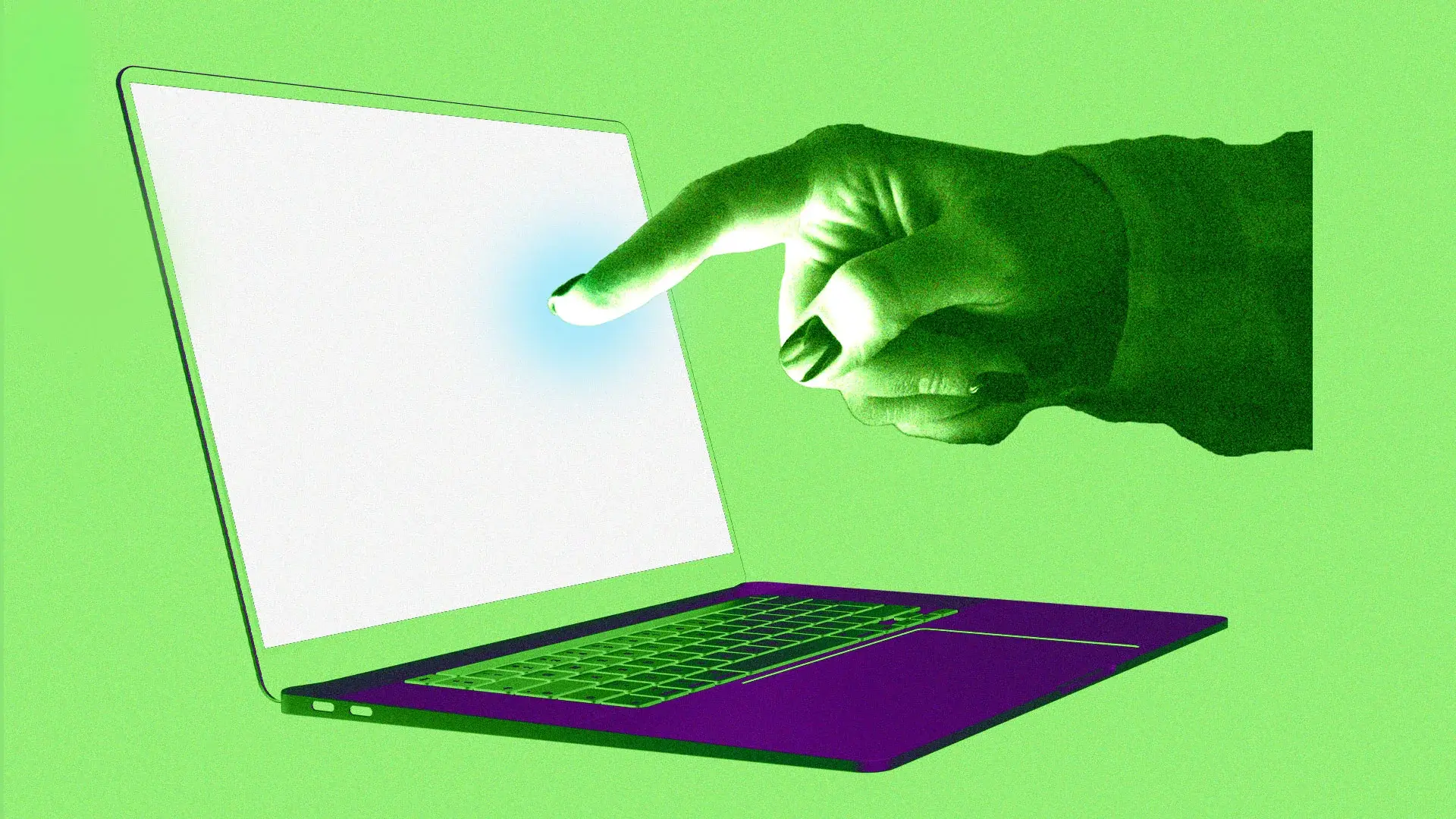
Apple could be preparing to introduce a major change to the MacBook Pro that Steve Jobs once strongly rejected: a touchscreen display.
According to multiple reports and rumors, Apple may unveil a redesigned MacBook Pro featuring touchscreen support during an upcoming October event. If the reports are accurate, the move would be particularly interesting because Jobs argued in 2010 that putting a touchscreen on a MacBook was not a good idea.
Steve Jobs Once Called Touchscreen Macs “Ergonomically Terrible”
Back in 2010, Steve Jobs addressed the possibility of adding touchscreen technology to Apple's Mac computers.
At the time, Apple had reportedly conducted extensive testing with touchscreen Macs. Jobs said the company had tested the concept and concluded that it did not work well because using a touchscreen on a traditional laptop could be uncomfortable.
His argument was based largely on ergonomics. Unlike an iPhone or iPad, a conventional laptop is designed to be used with a keyboard and trackpad. Reaching forward to interact with a vertical display can become tiring during extended use.
That philosophy remained an important part of Apple's Mac design for more than a decade.
Apple May Now Be Changing Its Mind
Fast-forward 16 years, and Apple reportedly appears ready to reconsider the idea.
Rumors suggest the next redesigned MacBook Pro could feature a touchscreen, marking a significant departure from Apple's traditional laptop design.
The rumored machine is also expected to receive a major redesign, including a thinner and lighter body and a brighter OLED display.
Apple is reportedly working to reduce the laptop's weight by miniaturizing internal components and rearranging hardware inside the chassis.
A Touchscreen Mac Could Work Differently This Time
Apple's decision to revisit touchscreen Macs does not necessarily mean the company has abandoned Jobs' original concerns.
Modern macOS could be adapted to make touchscreen interaction more practical. Apple has also gained years of experience developing touch-focused operating systems through the iPhone and iPad.
The company could potentially combine traditional keyboard and trackpad controls with touchscreen functionality, allowing users to choose whichever interaction method makes the most sense for a particular task.
Other manufacturers, including Microsoft, have already experimented with touchscreen laptops. However, Apple's implementation could be significantly different if it manages to integrate touch controls deeply into macOS.
OLED Display Could Be Another Major Upgrade
The rumored touchscreen MacBook Pro could reportedly receive an OLED panel alongside the new touch functionality.
OLED technology can provide deeper blacks, strong contrast and improved image quality compared with traditional LCD displays. It could also help Apple create a more premium-looking MacBook Pro while potentially contributing to a thinner overall design.
The combination of OLED, touchscreen support and a redesigned chassis could make the next MacBook Pro one of the biggest changes to Apple's professional laptop lineup in years.
Apple Could Make the MacBook Much Thinner
Apple's rumored redesign may not be limited to the display.
Reports suggest the company has been working on making the next MacBook Pro significantly lighter. This could involve reducing the size of internal components and reorganizing the hardware layout.
The current MacBook Pro design has prioritized performance and cooling, which has resulted in a relatively substantial chassis compared with some competing laptops.
A thinner and lighter design could make the MacBook Pro more portable while retaining its professional performance.
Apple Has Changed Its Mind Before
A touchscreen MacBook would not be the first time Apple has eventually reversed a position associated with Steve Jobs.
Apple has previously changed product strategies as technology and consumer expectations evolved. One famous example came with larger iPhones. Jobs had argued against large-screen phones, but Apple eventually introduced larger displays with the iPhone 6 and iPhone 6 Plus.
The touchscreen MacBook could become another example of Apple deciding that an idea once considered impractical has become useful enough to revisit.
What Could the New MacBook Be Called?
Another unanswered question is the name of the rumored laptop.
Apple currently uses several naming schemes, including MacBook Air, MacBook Pro, iPad Pro, iPhone Pro Max and newer product names such as MacBook Neo.
Possible names such as “MacBook Touch” or “MacBook Ultra” are only speculation at this stage. Apple has not confirmed what it might call a touchscreen MacBook Pro.
Apple Could Reveal It Very Soon
According to current reports, Apple could showcase the redesigned MacBook Pro during an October event, potentially alongside other new products.
However, Apple has not officially confirmed the rumored touchscreen MacBook. The October 13 date and the specifications currently circulating should therefore be treated as reports rather than confirmed product information.
Apple is also rumored to be preparing other products, including a new smart-home device reportedly called HomePad, which could serve as a central controller for connected devices and Apple's AI-powered Siri experience.
Final Thoughts
A touchscreen MacBook would represent a fascinating change in Apple's laptop strategy.
Sixteen years after Steve Jobs argued that touchscreen laptops were ergonomically problematic, Apple may finally be ready to try the concept on its own terms. A thinner design, OLED display and improved macOS touch support could make the idea considerably more practical than it was in 2010.
For now, however, the touchscreen MacBook remains unconfirmed. If Apple does launch it, the product could become one of the company's most significant Mac redesigns in years—and an interesting example of how even Apple's strongest design philosophies can evolve over time.
Laisser un commentaire
Votre adresse e-mail ne sera pas publiée. Les champs obligatoires sont marqués *