

Pakistan and the International Monetary Fund (IMF) have not yet reached an agreement on the draft Auto Policy 2026-31, with the Fund asking for more data before the proposed policy moves forward.
According to sources, the issue was discussed during the latest economic review talks between Pakistan and the IMF. The government has prepared the final draft of the Automotive and Auto Parts Manufacturing Policy 2026-31, but it will now require IMF approval before being presented to the federal cabinet.
During the discussions, Pakistani officials briefed the IMF on proposed tax measures for electric and hybrid vehicles. Under the draft, electric vehicles (EVs) would face a 1% sales tax, while the sales tax on other hybrid vehicles could rise to 18%.
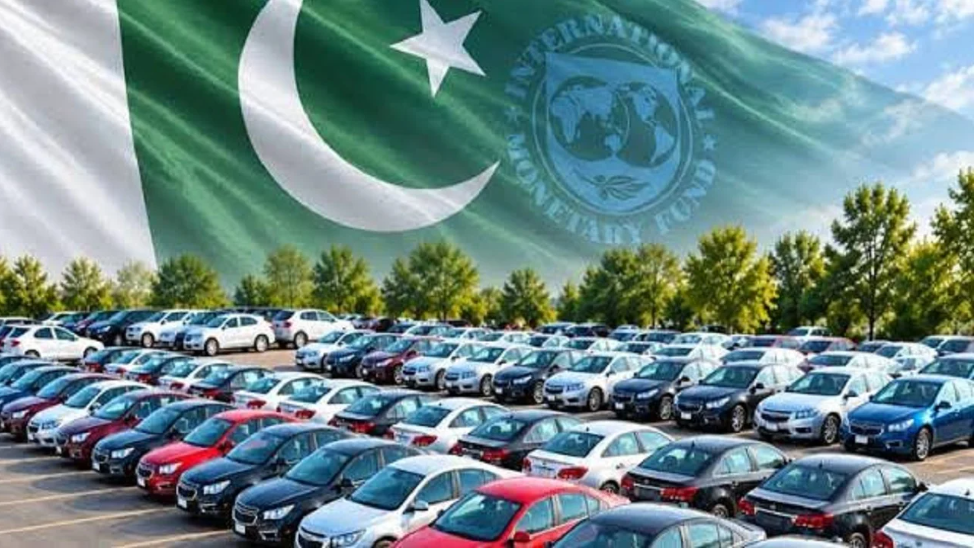
IMF Seeks More Data on Pakistan’s Draft Auto Policy 2026-31
The government also discussed plans to increase vehicle exports. It has set a long-term goal of taking exports from the auto sector above $3 billion by linking local manufacturers and auto parts producers with international supply chains.
The proposed policy also aims to provide greater protection to vehicle buyers. Under the draft, manufacturers would be responsible if the price of a vehicle increases after a customer has booked it. Companies would also have to provide an expected delivery date when accepting a booking.
The Ministry of Industries and Production prepared the policy with several objectives, including reducing vehicle prices, improving manufacturing quality, increasing exports, and encouraging the production and adoption of electric vehicles.
One of the key proposals is to connect Pakistan’s auto parts industry with global supply chains. The policy would also introduce performance targets for manufacturers, along with penalties for companies that fail to meet them and incentives for those that achieve their targets.
The draft places particular focus on electric vehicles. The government plans to promote EVs and increase competition in the sector to encourage innovation, new technologies and improved vehicle features.
Customs duties on conventional vehicles are proposed to fall by up to 80% over the next five years. The draft also calls for similar treatment of plug-in hybrid electric vehicles (PHEVs) and range-extended electric vehicles (REEVs).
Several tax incentives have also been proposed for electric vehicles, including exemptions from federal excise duty, capital value tax and withholding tax. Equipment used for EV charging stations could face a customs duty of just 1%.
The government has also proposed increasing the financing limit for electric vehicles to Rs10 million. The repayment period could be extended from three years to five years to make EV financing more accessible to buyers.
The policy includes specific export targets for the automobile industry. Car manufacturers would be required to export 4% of production during 2026-27, with the target rising to 20% by 2030-31. For auto parts manufacturers, the export target would increase from 5% to 15%.
The draft also proposes the adoption of international vehicle standards. Pakistan plans to adopt 62 global standards and introduce another 45 standards by 2029.
According to the policy document, the proposed measures could help Pakistan save around $17 billion in foreign exchange between 2026 and 2031.
However, the IMF has yet to approve the draft and has requested additional information before further discussions. The policy will therefore remain under review until Pakistan and the Fund reach an understanding on its proposed measures.
Laisser un commentaire
Votre adresse e-mail ne sera pas publiée. Les champs obligatoires sont marqués *