

iPhone 20: 5 Features Apple Should Borrow From Its First Foldable iPhone
Apple's upcoming iPhone 20 could become one of the company's most interesting smartphone releases. Expected to arrive in 2027 as part of the iPhone's 20th anniversary celebrations, the device is already generating attention because of rumors about a major design transformation.
While Apple is reportedly exploring a more futuristic glass-focused design, there are several practical features from its first foldable smartphone, the iPhone Duo, that could make the anniversary iPhone even better.
The iPhone Duo introduces capabilities that traditional iPhones have not offered before, including stylus support, Touch ID and split-screen multitasking. These features could make a lot of sense on a conventional iPhone as well.
Here are five features Apple should consider bringing to the iPhone 20, along with three things the company should probably avoid.
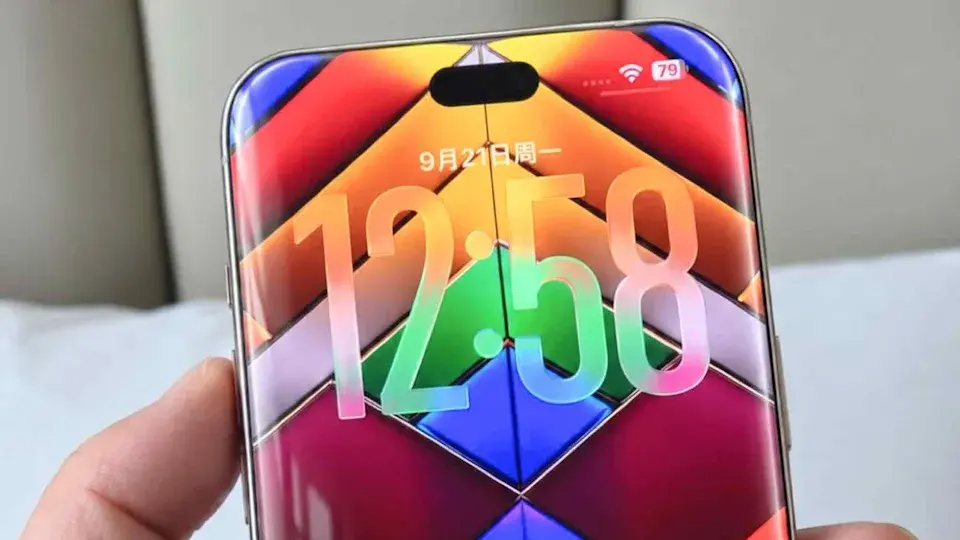
1. Bring Back a Premium Titanium Design
Apple has experimented with different materials across its smartphone lineup, and titanium has become an important part of its premium design approach.
The iPhone 20 is rumored to feature a curved glass body that could create an almost seamless appearance. However, if Apple decides against a completely glass construction, titanium would be an excellent material for its anniversary smartphone.
Titanium offers an attractive combination of strength and relatively low weight. It could also help Apple deliver a more premium finish compared with conventional aluminum construction.
The material would be particularly appealing to customers who want a durable flagship smartphone without sacrificing its lightweight feel.
For the iPhone 20, Apple should consider bringing back a titanium frame or exploring a more advanced combination of glass and metal.
2. Apple Should Introduce Stylus Support
Stylus support might sound unusual for a traditional iPhone, but the iPhone Duo demonstrates why a pen-based input option could be useful on a smartphone.
An Apple Pencil-compatible iPhone 20 would give users additional ways to interact with their devices.
For example, users could write quick notes, sign documents, draw illustrations, edit photographs and make precise selections without relying entirely on finger-based controls.
A stylus could also be useful for professionals who regularly work with documents or use their smartphones for productivity.
Apple has traditionally kept its Pencil accessories associated with the iPad lineup. However, introducing optional stylus support on a larger iPhone could open up new possibilities.
It would not need to replace touchscreen controls. Instead, it could provide another option for people who want greater precision.
3. Keep Touch ID Alongside Face ID
Face ID has become a familiar part of the iPhone experience, but that does not mean Apple should completely abandon fingerprint authentication.
The iPhone Duo demonstrates how Touch ID can be integrated into a smartphone through its power button.
Bringing this approach to the iPhone 20 could give users more flexibility when unlocking their devices.
Some people prefer fingerprint authentication, particularly when their phones are placed on a desk or when facial recognition is inconvenient.
Offering both Face ID and Touch ID would provide additional convenience without forcing users to choose one authentication method permanently.
Apple could also integrate the fingerprint sensor into the power button to avoid adding another visible component to the front of the device.
4. Add Split-Screen Multitasking to Regular iPhones
Split-screen multitasking is already available on several Android smartphones, but traditional iPhones have largely relied on switching between individual applications.
The iPhone Duo brings this capability to Apple's smartphone ecosystem, and the iPhone 20 could benefit from a similar approach.
Imagine watching a video while checking messages, comparing information between two applications or taking notes while attending an online meeting.
Instead of repeatedly switching between apps, users could view two applications simultaneously.
Although smaller displays create some limitations, Apple could introduce a flexible split-screen interface that adjusts according to the applications being used.
This would be particularly useful on larger iPhone models and could make Apple's smartphones more practical for productivity.
5. Replace the Dynamic Island With a Smaller Camera Cutout
Apple has spent years reducing the amount of visible hardware on the front of its smartphones.
The original iPhone notch eventually evolved into the Dynamic Island, but a small hole-punch camera could offer an even cleaner display experience.
The iPhone Duo demonstrates another approach to reducing visible camera hardware through under-display technology.
For the iPhone 20, Apple could work toward hiding more of its Face ID components beneath the display while adopting a smaller camera opening.
This would allow users to enjoy more screen space without compromising the quality of the front-facing camera.
However, Apple should prioritize camera performance and reliable facial recognition rather than rushing to eliminate every visible cutout.
Three Features Apple Should Avoid Copying
Not every innovation introduced with a foldable smartphone deserves a place in a conventional iPhone.
There are three particular areas where Apple should be careful.
1. Under-Display Selfie Cameras
Under-display cameras can create a cleaner screen appearance, but image quality remains an important concern.
Placing camera hardware beneath display pixels can interfere with the amount of light reaching the sensor. This can affect image sharpness, detail and overall selfie quality.
For a premium anniversary smartphone, Apple should prioritize a good front-facing camera over a completely uninterrupted display.
2. An Unnecessarily Wide Smartphone Design
Wider displays can make foldable smartphones more comfortable for certain activities, especially watching videos and reading.
However, applying the same design approach to a conventional smartphone could create usability problems.
A phone that becomes too wide may be difficult to operate with one hand or fit comfortably in a pocket.
Apple should focus on improving screen proportions without making the iPhone 20 unnecessarily difficult to handle.
3. Nanotexture Display Coating
Nanotexture technology can help reduce reflections and improve visibility under bright lighting conditions.
However, it can also affect the appearance of colors and make certain content look less vibrant.
For a smartphone designed around photography, video streaming and everyday entertainment, color accuracy and display quality should remain priorities.
Apple should continue improving its anti-reflection technology without introducing compromises that noticeably affect the viewing experience.
What Should We Expect From the iPhone 20?
The iPhone 20 is expected to mark an important milestone for Apple in 2027. Reports and industry speculation suggest that the company is exploring a significant redesign, potentially involving curved glass and a more immersive display.
However, most of the features discussed here are recommendations rather than confirmed specifications.
Apple has not officially announced the iPhone 20 or confirmed which features will appear in its anniversary lineup.
The company will need to balance innovative hardware with practical features that improve everyday smartphone use.
Final Thoughts
The iPhone 20 represents an opportunity for Apple to rethink what a traditional smartphone can offer.
A premium titanium design, optional stylus support, Touch ID, split-screen multitasking and a smaller front camera cutout could make the device considerably more versatile.
At the same time, Apple should avoid adopting technologies that compromise camera quality, display performance or everyday usability.
A successful anniversary iPhone should not simply look different. It should introduce meaningful improvements that users will appreciate long after the excitement of its launch has passed.

Leave a comment
Your email address will not be published. Required fields are marked *