


Windows XP Turns 25: How Microsoft's Iconic Operating System Changed Computing
Microsoft Windows XP celebrates its 25th anniversary on October 25, 2026, marking a quarter-century since one of the most recognizable operating systems in computer history first became available to consumers. Although modern Windows versions have introduced major changes in design, security, and functionality, Windows XP continues to hold a special place in the memories of longtime PC users.
Released in 2001, Windows XP helped make personal computers more accessible for home users, students, businesses, and gamers. Its familiar desktop, colorful interface, improved stability, and broad software compatibility made it one of Microsoft's most memorable operating systems.
Windows XP Launched on October 25, 2001
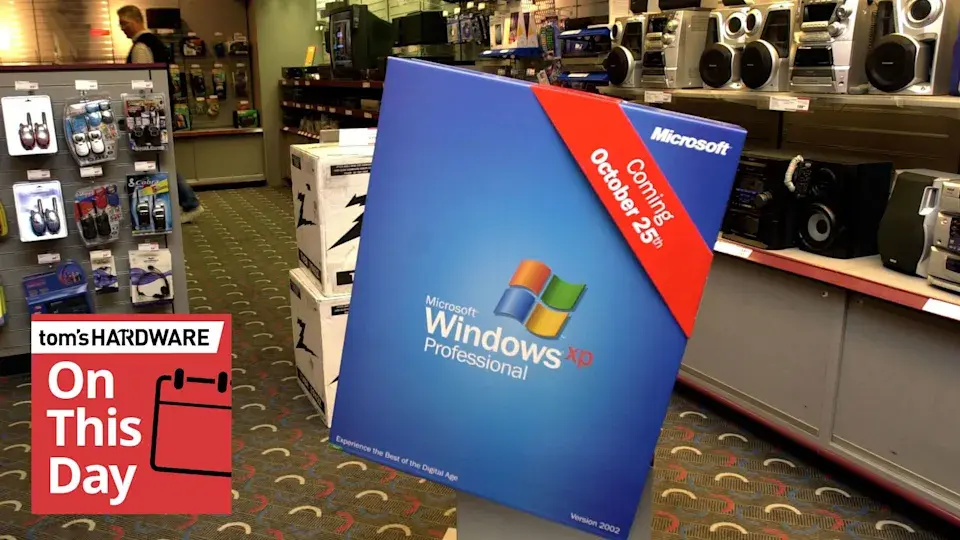
Microsoft officially launched Windows XP on October 25, 2001, following the completion of development and distribution to computer manufacturers in August of that year.
The operating system was available in two major editions at launch: Windows XP Home Edition, designed primarily for consumers, and Windows XP Professional, aimed at business users and professionals.
The name XP stood for "experience," reflecting Microsoft's goal of making computing more accessible and useful. The system combined the Windows NT foundation with a more consumer-friendly interface, bringing improvements in stability and usability compared with earlier versions of Windows.
Why Windows XP Became So Popular
Windows XP quickly became a familiar part of everyday computing. Several features helped establish its reputation among users.
1. The Familiar Start Menu and Desktop
Windows XP introduced a colorful visual design featuring the green Start button, blue taskbar, and redesigned Start menu. Its default Bliss wallpaper, showing green hills beneath a blue sky, became one of the most recognizable desktop images in technology history.
The interface was approachable for beginners while still offering familiar tools for experienced computer users.
2. Improved Stability
Windows XP was built on the Windows NT architecture, which provided a stronger technical foundation than the consumer-oriented Windows 9x line.
This helped deliver a more dependable computing experience for many users, particularly those upgrading from older versions of Windows.
3. Better Software and Gaming Compatibility
Windows XP supported a wide range of desktop applications, peripherals, and PC games. Its compatibility with many older programs helped make the transition from previous Windows versions easier.
For gamers, the operating system became associated with classic PC titles, LAN parties, online multiplayer sessions, and the early growth of digital gaming communities.
4. A More Connected Computing Experience
During the early 2000s, home internet access was becoming increasingly common. Windows XP supported a growing range of online activities, including web browsing, instant messaging, digital media playback, and home networking.
Applications such as MSN Messenger became part of everyday digital life for many users during this period.
The Legacy of Windows XP's Famous Bliss Wallpaper
One of the most enduring symbols of Windows XP is its default Bliss desktop wallpaper.
The photograph of rolling green hills beneath a bright blue sky became instantly recognizable to millions of computer users. Even people who no longer use Windows XP may remember seeing this image on family computers, school desktops, and office workstations.
The wallpaper demonstrates how a relatively small design choice can become part of a product's cultural identity. For many people, it represents an era when home computing and internet access were becoming central to everyday life.
Windows XP's Influence on Modern Windows
Windows XP helped establish expectations for desktop computing that continued to influence later versions of Windows.
Its emphasis on a recognizable Start menu, accessible system settings, broad application compatibility, and a familiar desktop environment helped shape how users interacted with their computers.
Microsoft subsequently introduced Windows Vista, Windows 7, Windows 8, Windows 10, and Windows 11, each bringing changes in design, security, performance, or functionality.
Although newer operating systems have moved far beyond XP's original capabilities, the classic operating system remains an important reference point in discussions about Microsoft's software history.
Why Microsoft Ended Windows XP Support
Despite its popularity, Windows XP eventually became too old to meet modern security and software requirements.
Microsoft ended mainstream support in April 2009 and extended support on April 8, 2014. This meant ordinary users stopped receiving regular security updates and technical support for the operating system.
Without ongoing security updates, computers running Windows XP became increasingly vulnerable to newly discovered security flaws and modern online threats.
Users who still rely on legacy applications may have reasons to preserve an XP installation, but connecting an unsupported system directly to the internet can expose it to considerable risk.
For everyday computing, a currently supported operating system is a much safer choice.
Can You Still Use Windows XP in 2026?
Windows XP can still run on compatible older hardware and in virtual machines, making it possible for enthusiasts to revisit its classic desktop environment.
However, using it as a primary internet-connected operating system is not recommended. Modern browsers, applications, security tools, and websites may no longer support it, while the lack of regular security updates creates additional risks.
If you want to experience Windows XP for nostalgic reasons, consider using a virtual machine on a supported computer, preferably in an isolated environment without access to sensitive accounts or personal information.
This approach can provide a way to explore the classic interface while reducing the risks associated with running an unsupported operating system.
Windows XP at 25: A Lasting Technology Legacy
Windows XP's 25th anniversary is more than a celebration of an old operating system. It is an opportunity to look back at a period when personal computers were becoming increasingly important for education, entertainment, communication, and work.
Its familiar interface, broad software compatibility, and memorable design helped establish a lasting connection with users around the world.
Although Windows XP is no longer suitable for modern everyday computing, its influence remains visible in the history of desktop operating systems.
As Microsoft continues developing Windows, XP stands as a reminder that successful technology is remembered not only for its technical capabilities but also for the experiences it creates for its users.
For more Microsoft news, Windows updates, computing guides, and technology stories, stay connected with Gadgets.com.pk.
Leave a comment
Your email address will not be published. Required fields are marked *