

Unity Spark Lets You Create Games in Your Browser Using AI
Game development is becoming more accessible as Google and Unity introduce new AI-powered tools that can turn simple ideas into playable experiences. The companies have announced a new partnership aimed at making game creation available to people without traditional programming or Unity development experience.
The first part of the initiative is Google Playground, an experimental browser-based platform that allows users to create and customize playable games using natural-language prompts. A more advanced experience called Unity Spark is planned for later in 2026.
Create Games Without Writing Code
Google Playground is designed around a straightforward concept: describe the game you want, and AI helps turn that description into an interactive experience.
Instead of starting with a traditional game engine, programming language, or complex development environment, users can describe their ideas using ordinary language. They can then modify their creations with additional prompts.
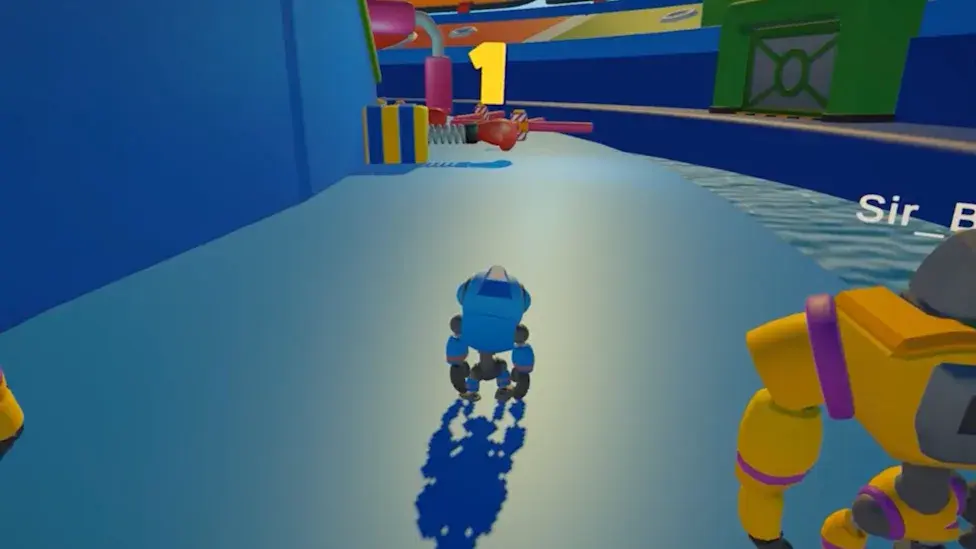
Google says Playground can be used to create, play and share games without coding experience. Users can also publish their creations to the community and play games made by other people.
Unity Spark Takes the Idea Further
While Playground provides the initial experience, Unity is preparing Unity Spark as a more advanced creation platform.
Unity says Spark will build on Playground and provide more sophisticated game-development capabilities, including professional-level mechanics, high-quality 3D experiences and greater flexibility through the Unity runtime.
The goal is to give beginners an easy starting point while also providing a path toward more complex interactive projects.
AI Is Becoming Part of Game Development
Unity has already been expanding its use of AI throughout its development ecosystem. Its existing AI tools can assist developers directly inside Unity projects, including helping with code, scenes and other development tasks.
Spark represents a different approach by moving much of the creation experience into the browser and using natural-language interaction as a major part of the workflow.
This could make game development more approachable for gamers, artists, creators and people who have ideas for games but don't have years of programming experience.
Human Creativity Remains Important
Unity is also making it clear that Spark isn't intended simply to produce finished games from a single prompt.
Unity CEO Matt Bromberg has emphasized that the company's vision is about helping people create and refine original interactive experiences rather than simply copying existing games. Spark also connects with the Unity Asset Store, giving creators access to artist-created assets from the Unity community.
That approach could make AI more of a development assistant than a complete replacement for designers and developers.
What About Existing Game Developers?
For experienced developers, tools such as Spark could potentially speed up prototyping and experimentation. Developers may be able to quickly test gameplay concepts before spending significant time building them manually.
For newcomers, the bigger advantage could be lowering the entry barrier. Someone with an idea for a platformer, racing game, puzzle game or multiplayer experience could begin experimenting without first learning an entire development environment.
However, AI-generated content still raises questions around originality, quality and the role of human creators. Those issues are likely to remain important as AI game-development platforms become more capable.
When Will Unity Spark Be Available?
Google Playground is already available as an experimental platform for users aged 18 and above, while Unity Spark is expected to arrive later in 2026.
Google and Unity are positioning the partnership as a way to bring game creation to a much larger audience. If the technology develops as planned, creating a playable game could become significantly easier for people who have never used a traditional game engine.
Final Thoughts
Google Playground and Unity Spark represent another major step toward AI-assisted game development. Rather than requiring users to begin with programming and complicated tools, the platforms allow creators to start with an idea and use natural-language prompts to develop it.
The technology won't eliminate the need for creativity, design or iteration, but it could make those skills accessible to a much wider audience.
As Unity Spark develops, it will be interesting to see whether browser-based AI game creation becomes a serious new way to build interactive experiences or remains primarily a tool for experimentation and rapid prototyping.
Leave a comment
Your email address will not be published. Required fields are marked *