


World of Warcraft’s 8-Week Patch Cycle Is Facing Growing Criticism
World of Warcraft has been moving through content updates at an unusually fast pace, but the game's aggressive patch schedule is now facing criticism from players and commentators who believe Blizzard may be prioritizing speed over quality.
The current approach often puts major updates roughly eight weeks apart. While the faster schedule means players receive new content more regularly, critics argue that it can also leave less time for developers to polish new features, fix bugs and properly develop important storylines.
The debate has become particularly noticeable during the current Midnight expansion.
Why the 8-Week WoW Patch Schedule Is Controversial
A frequent content schedule sounds positive for an MMO. Players generally want new quests, dungeons, raids, events and other activities rather than long periods without updates.
However, the problem is what happens when developers have to work toward a strict deadline.
Critics argue that some recent World of Warcraft updates have felt rushed, with bugs and relatively small amounts of meaningful content appearing alongside the patches.
The concern is not necessarily that Blizzard is releasing too much content. Instead, players are questioning whether eight weeks is enough development time to consistently deliver polished updates.
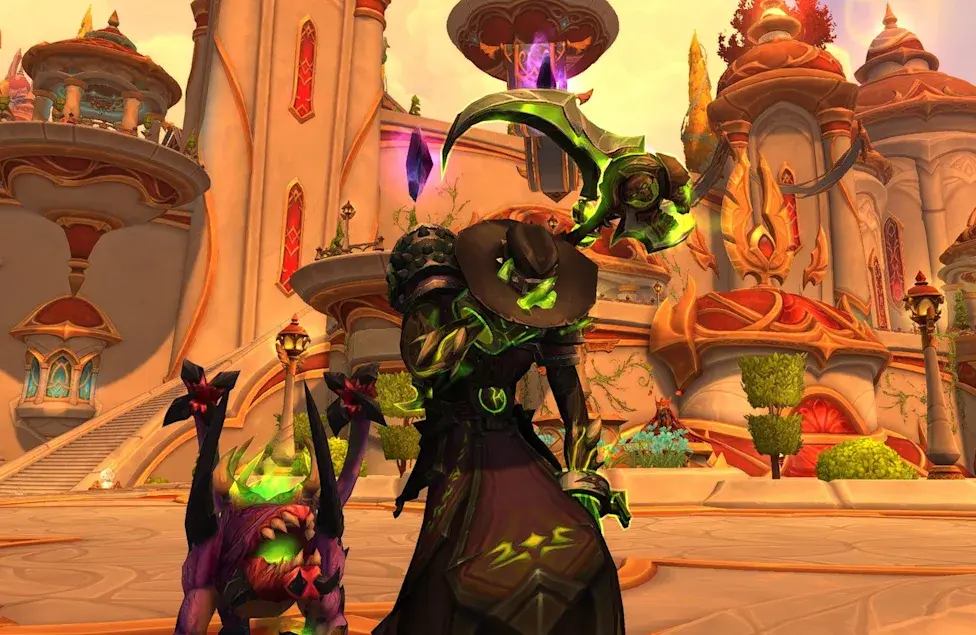
Faster Updates Can Mean More Bugs
One of the biggest complaints surrounding the accelerated schedule is technical quality.
World of Warcraft is an enormous live-service game with thousands of systems interacting with one another. A new patch can affect classes, quests, items, interfaces, dungeons, raids and older content.
That makes testing particularly important.
Earlier criticism of Blizzard's rapid update approach has already focused on bugs appearing after patches. World of Warcraft game director Ion Hazzikostas previously acknowledged that some updates did not meet the quality players expected and emphasized that Blizzard wanted to improve its testing and update processes.
Blizzard can also use hotfixes to correct certain problems after an update goes live, but critics argue that relying heavily on post-launch fixes isn't a replacement for having enough development and testing time.
Storytelling Is Another Major Concern
The criticism isn't limited to bugs.
Some players believe the rapid patch schedule is also affecting World of Warcraft's storytelling.
Major story developments can sometimes arrive in relatively short quest chains, leaving players feeling that important characters and events haven't received enough buildup.
A slower schedule could potentially give Blizzard more time to develop character arcs, write additional quests and create stronger connections between major story events.
The argument is especially relevant for an expansion such as Midnight, where the narrative is part of a much larger storyline spanning multiple World of Warcraft expansions.
Blizzard Has Continued Using the Fast Cadence
The eight-week approach isn't simply a one-time experiment.
Blizzard's 2026 roadmap showed a continued cadence of content updates for Midnight, while patch 12.1 launched exactly eight weeks after patch 12.0.7.
Patch 12.1 introduced a substantial amount of content, including a new outdoor zone, raid, dungeon, Delves, Lairs, story content, player housing updates and class changes.
This demonstrates why Blizzard may prefer the schedule: major updates can arrive frequently and keep players engaged throughout an expansion.
Is Eight Weeks Actually Too Short?
There is an important argument on both sides.
A slower schedule could give developers more time to polish content and potentially reduce bugs. It could also allow major story moments to receive more attention.
On the other hand, extending the gap between patches could create longer periods where players run out of new activities.
For an MMO that depends heavily on keeping players subscribed and active, regular content releases are extremely important.
The challenge for Blizzard is therefore finding a balance between content frequency and content quality.
Players May Prefer Quality Over Speed
Some World of Warcraft players have argued that they would rather wait longer for a polished update than receive a faster patch that contains bugs or weak content.
A potential alternative would be moving major story and gameplay updates to a 16-week or longer schedule, while using smaller updates and hotfixes to maintain the game between major releases.
That would give developers additional time to work on substantial features without necessarily leaving players completely without new content.
However, changing the cadence could also create its own problems if the smaller updates aren't meaningful enough.
World of Warcraft Needs the Right Balance
World of Warcraft's rapid patch schedule isn't necessarily a bad idea.
Frequent updates can keep the game feeling active, provide players with new reasons to return and prevent the content droughts that have affected MMOs in the past.
The concern is whether Blizzard can maintain that frequency without sacrificing polish, storytelling and stability.
The current debate suggests that some players believe the balance has shifted too far toward speed.
Ultimately, Blizzard may need to decide whether an eight-week schedule is sustainable for the quality of World of Warcraft's long-term content—or whether giving developers more time between major updates would produce a better experience for players.
Leave a comment
Your email address will not be published. Required fields are marked *